
Leftover materials often end up forgotten in a corner of the backyard, but they can become the foundation of something surprisingly effective. Wire mesh with small holes is one such material. Instead of discarding it, it can be transformed into a strong, breathable, and long-lasting raised bed structure.
The small holes allow air movement while keeping soil and organic matter securely inside. When shaped into a circle and anchored properly, wire mesh becomes a durable frame that supports layered soil systems and adapts well to uneven ground. This approach is especially useful for gardeners who want a low-cost, flexible alternative to wooden or metal raised beds.
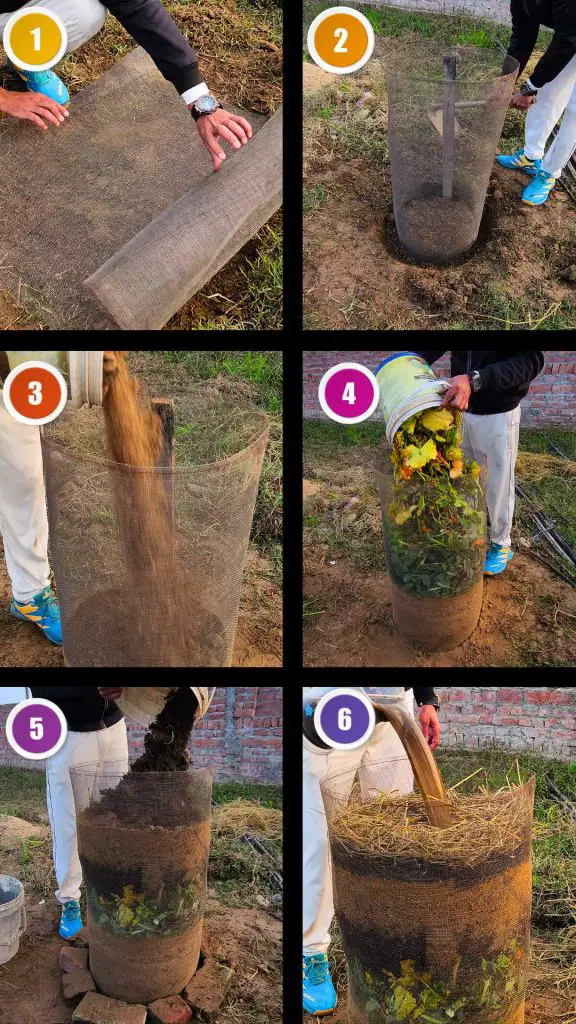
Preparing the Ground and Securing the Structure
A stable base is critical for any raised bed, especially one made from mesh rather than solid walls. The first step is choosing a suitable location with good sunlight and natural drainage. Once the area is selected, shaping the wire mesh into a circle helps distribute pressure evenly. Securing both ends of the mesh to a wooden strip or stake adds rigidity and prevents the circle from opening over time.
Digging a shallow trench along the marked outline allows the mesh to sit partially below ground level. Filling the trench back with soil anchors the structure firmly, reducing movement caused by watering, wind, or settling layers. This grounding step also prevents soil from escaping through the bottom edges.
Why a Layered Raised Bed Works So Well
A layered raised bed mimics natural soil formation while accelerating the process. Instead of relying on a single soil mix, layers combine mineral soil, organic waste, microbes, and protective coverings. Each layer performs a specific function, and together they create a living system that improves over time.
As organic layers break down, nutrients move upward and become available to plant roots. The structure encourages microbial life, improves moisture retention, and reduces the need for synthetic fertilizers. This method is particularly effective in areas with poor native soil, as it creates a controlled environment where plants can thrive from the start.
The Role of Loamy Garden Soil as the Base Layer
The first layer inside the wire mesh is loamy garden soil. This layer provides structure and stability for everything above it. Loamy soil contains a balanced mix of sand, silt, and clay, allowing for good drainage while still holding moisture.
It supplies essential minerals and gives roots a firm medium to grow into. Placing soil at the base also prevents direct contact between raw organic materials and the ground below, reducing nutrient loss and creating a consistent growing zone within the raised bed.
Kitchen Waste as a Source of Organic Matter
Kitchen waste forms the second layer and acts as the heart of the system. Vegetable leaves, fruit peels, root scraps, and overripe produce add carbon and nitrogen to the bed. As these materials decompose, they improve soil texture and feed beneficial organisms.
This layer functions like a compost pile built directly into the garden. Instead of removing scraps from the backyard, they are recycled where they are most useful. Over time, the waste breaks down into humus, increasing soil fertility and water-holding capacity.
Decomposed Manure and Microbial Activity
Adding decomposed manure above the kitchen waste introduces a powerful biological boost. Manure that has already broken down is rich in nutrients and beneficial microbes. These microbes speed up the decomposition of kitchen scraps and help convert organic matter into plant-available nutrients.
This layer also adds nitrogen, which is essential for leafy growth. Because the manure is decomposed, it is gentle on plant roots and does not generate excessive heat, making it safe to use within the bed.
Using Soil Layers to Balance Decomposition
Placing another layer of garden soil above the manure serves as a buffer. This soil layer separates active decomposition zones from the plant root zone. It helps regulate moisture, prevents odors, and keeps pests away from fresh organic matter. The soil also absorbs nutrients released from below and holds them in place until roots can access them. This balance is important for maintaining steady growth rather than sudden nutrient spikes.
Reinforcing Fertility With an Upper Manure Layer
A second layer of decomposed manure closer to the surface reinforces nutrient availability. As plants grow, their roots tend to concentrate in the upper portion of the bed. Having nutrients available in this zone supports steady growth throughout the season. This layer also continues to feed microbial life, ensuring that the bed remains biologically active. The combination of soil and manure creates a gradual transition from nutrient-rich zones to the surface.
Mulch as the Protective Top Layer
Mulch is the final layer and plays a protective role. Organic mulch such as straw, dry leaves, or wood chips shields the soil from direct sunlight, reducing evaporation. It helps regulate soil temperature, keeping roots cooler in hot weather and warmer during cooler periods.
Mulch also suppresses weed growth and prevents soil erosion during heavy watering or rain. As mulch breaks down, it adds even more organic matter to the system, further improving soil quality.
Compost Tea and Its Impact on Soil Health
Applying compost tea on top of the mulch introduces beneficial microorganisms directly into the bed. Compost tea carries bacteria, fungi, and other microbes that enhance nutrient cycling and improve plant health.
When poured over mulch, the liquid slowly filters down through the layers, distributing microbes evenly. This process strengthens root systems, improves nutrient uptake, and supports natural disease resistance. Compost tea acts as a catalyst, helping the entire layered system function more efficiently.