
Using buried terracotta pots as part of a garden system is a time-tested approach that blends simple materials with natural soil biology. Instead of letting old containers sit unused, this method repurposes broken or unfinished terracotta vessels into tools that enhance soil structure, improve nutrient cycling, conserve water, and encourage root growth in a more organic way.
Terracotta’s natural porosity allows air and moisture to move through the walls of a container, creating a dynamic interface between the buried pot and the surrounding soil. In this article we explore the reasons behind each step, the benefits that come from the technique, and the kinds of materials and inputs that help make buried terracotta pot gardening an effective and sustainable choice.
Why Terracotta Works in the Soil
Terracotta is clay that has been fired at low temperatures. This gives it a unique character: it remains porous. The tiny microscopic pores allow water to pass slowly through the body of the clay, and they also enable gas exchange. In an above-ground pot this porosity can be a problem, because it causes soil to dry out quickly. But when the terracotta pot is buried, those same pores become a huge benefit. Moisture in the pot draws toward the drier soil outside through capillary action.
This slow movement of water creates a gentle hydration zone in the root area, reducing the need for frequent surface watering. Air exchange through the walls supports soil microbes by preventing the container from becoming anaerobic. Unlike plastic or glazed pottery, which trap moisture and lack breathability, terracotta buried in the soil enhances the environment around it by balancing air and water flow where roots live.
The act of burying a container also places whatever contents it holds directly in the zone where plant roots are most active. Roots grow toward moisture and nutrients; placing a resource underground turns it into a magnet for root exploration. This is especially useful for perennial plantings, where a long-term, stable water and nutrient source can support growth over months and seasons.
Preparing the Site for Buried Pot Installation
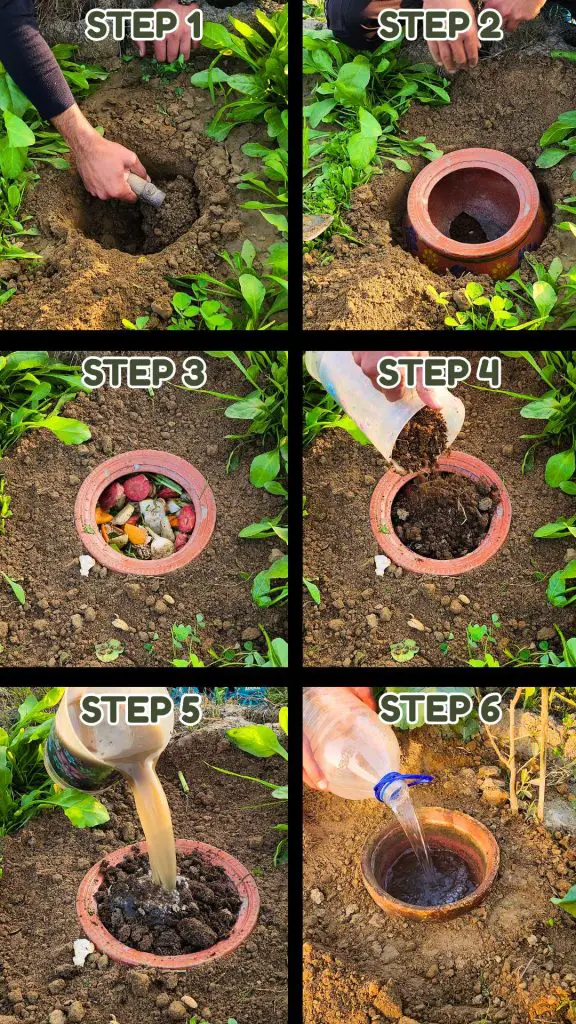
Laying the groundwork for this technique starts with choosing the right location. A gently worked garden bed or area near established plants is ideal. The soil should be friable enough to dig a hole without excessive effort, but firm enough that once the container is placed, it stays upright and stable. The hole should be just deep enough so that almost the full height of the container sits below ground level, with only the opening near the surface.
Placing the opening at or slightly below ground level helps keep debris and surface rainwater from dumping directly in, which could disrupt the slow release process. For maximum benefit, the buried device should intersect the root zone of the plants you want to support. Roots growing nearby will sense the moisture gradient and extend toward the buried pot naturally.
Digging the hole also loosens the surrounding soil, which encourages air and water exchange. The loosened soil encourages beneficial organisms to inhabit the area, including earthworms and microbes that help break down organic matter and cycle nutrients. Because the buried container becomes part of the soil ecosystem, this initial step of physical preparation sets the stage for biological improvements to follow.
Choosing and Preparing Organic Materials
One of the most important aspects of this system is what you put inside the terracotta pot. Chopping organic garden waste into small pieces before adding it to the container is vital. Small pieces have more surface area relative to their volume, which means microbes can colonize and break them down faster and more completely.
Garden waste that works well includes leafy trimmings, soft stems from harvested crops, pruned foliage, and weeds that have not gone to seed. Hard woody scraps can be included too, but should be cut very fine so they decompose at a reasonable pace.
The organic material you choose should reflect a balance between carbon-rich and nitrogen-rich inputs. Greens, such as fresh plant clippings and soft stems, contribute nitrogen and moisture, which feed the bacteria involved in the early stages of decomposition.
Browns, like dried leaves or small bits of straw, contribute carbon, which supports fungi and helps regulate moisture levels. A well-balanced mix allows the breakdown process to proceed without creating anaerobic pockets or foul odors.
Some gardeners add kitchen scraps as well, but this should be done cautiously. Items high in salt, fats, or oils (such as pickled foods, greasy leftovers, or dairy) are best avoided because they can attract pests and imbalanced decomposition. Instead, focus on plant-based scraps, coffee grounds, and eggshells broken into small bits. Together with garden waste, these inputs enrich the biological diversity inside the pot.
Adding Finished Compost to Boost Decomposition
Once the chopped organic material is in place, topping it with finished compost brings immediate benefits. Finished compost is full of decomposer microbes that are already active and adapted to breaking down complex organic matter.
Introducing this living material into the buried system jump-starts the decomposition of the fresh garden scraps. Think of it as inoculating a batch of raw ingredients with an effective starter culture; the process begins more quickly and runs more smoothly.
Compost also helps regulate the internal environment of the buried pot. It absorbs and redistributes moisture, maintaining a balance that prevents parts of the pile from becoming too wet or too dry. This even distribution supports aerobic decomposition, which limits the production of the compounds responsible for bad smells. Over time, as the compost and garden waste break down together, they create humic substances—complex organic molecules that improve soil texture and nutrient retention.
Incorporating compost also introduces beneficial organisms such as earthworm eggs, fungi, bacteria, and protozoa. Many of these organisms continue their life cycles in the surrounding soil once the pot is in place. Their activity spreads beyond the immediate contents of the container and enhances the wider soil environment.
Watering with Compost Tea or Moisture Additives
Moisture is essential for decomposition, but plain water is not enough to fuel the biological richness that makes this system effective. Compost tea—a liquid produced by steeping finished compost in water so that the soluble nutrients and microbial populations are extracted—adds a high concentration of life and nutrient value to the buried pot. When poured in, compost tea moistens the organic materials evenly and carries microbes deep into the pile. This accelerates the breakdown process and spreads beneficial organisms throughout the contents.
These microbes work hard to convert organic matter into plant-available nutrients. Some break down complex carbohydrates into simpler sugars, while others release nitrogen in forms that plants can absorb.
Many also produce enzymes and organic acids that mobilize phosphorus, potassium, and micronutrients. All this activity is beneficial to the soil biology outside the pot as well, because microbes move outward through the porous walls of the terracotta and into the surrounding earth.
Regular watering with compost tea maintains consistent moisture without waterlogging. Because terracotta walls allow slow seepage, the moisture level inside the pot evens out with the soil’s moisture profile. This reduces the need for frequent top watering and helps maintain a stable wet-dry cycle that roots prefer.
Covering the Pot and Managing Surface Conditions
Covering the top of the buried terracotta pot is a small but important detail. A lid or simple cover prevents surface water from flooding the pot in heavy rain, stops insects or small animals from entering, and reduces moisture loss to the air.
At the same time, because the contents are underground, the cover doesn’t trap heat or create anaerobic conditions. Terracotta’s porosity combined with an above-ground cover strikes a balance between protection and gas exchange.
Surface mulch around the buried pot can further enhance the system’s effectiveness. A layer of straw, wood chips, or leaf mulch reduces evaporation from the soil surface and keeps the soil temperature more stable. Mulch also feeds soil organisms as it gradually breaks down, reinforcing the whole biological cycle that begins inside the buried container.
Managing surface conditions also keeps weeds down. Weeds compete for water and nutrients, so suppressing them with mulch or careful cultivation ensures that the beneficial root growth and microbial activity supported by the buried pot aren’t hindered.