
Creating a nutrient-rich liquid fertilizer at home is a simple and effective way to boost plant growth, improve soil health, and increase yields in vegetable gardens. A well-balanced fertilizer provides essential minerals like potassium and calcium, which support strong root systems, healthy foliage, and abundant flowering and fruiting.
Using natural ingredients such as wood ash, molasses, and compost tea can enhance the biological activity in the soil, making nutrients more available to plants while improving soil structure over time. This approach is sustainable, eco-friendly, and cost-effective, providing long-term benefits for both plants and soil.
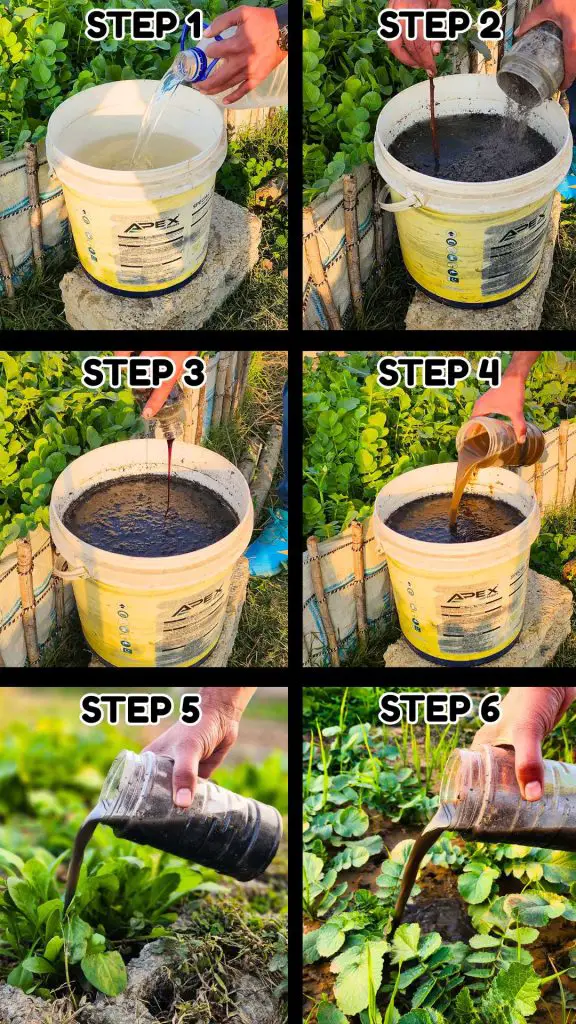
Choosing the Right Water
Water is the foundation of any liquid fertilizer. Rainwater is the best option because it is naturally soft, free of chemicals, and slightly acidic, which helps dissolve minerals from wood ash more effectively. Rainwater also contains dissolved oxygen, which supports the growth of beneficial microbes.
If rainwater is not available, tap water can be used after removing chlorine. To make chlorine-free water, simply leave tap water in an open container for 12 to 24 hours so the chlorine can evaporate. Stirring occasionally can help speed up the process. For this fertilizer, around 10 to 12 liters of water are recommended to create a sufficient base for mixing the other ingredients.
Preparing Wood Ash
Wood ash is a rich source of potassium and calcium, making it an excellent addition to liquid fertilizer. It also contains trace minerals that plants need for optimal growth. To prepare wood ash, use a mixture of dry twigs, small branches, and hardwood.
Make sure the wood is untreated and non-toxic, avoiding painted wood, plywood, or furniture scraps. Burn the wood completely until it turns into fine gray or white ash. Let the ash cool fully before use. Sifting the ash to remove larger charcoal pieces can help ensure that it dissolves more easily in water.
Benefits of Wood Ash
Wood ash has several advantages when added to soil or liquid fertilizer. Its high potassium content supports flowering, fruiting, and overall plant strength. Calcium in wood ash strengthens cell walls, preventing issues such as blossom end rot in vegetables like tomatoes and peppers.
In addition, wood ash helps to slightly raise soil pH, which is beneficial for plants that prefer neutral or slightly alkaline conditions. Finally, the trace minerals in wood ash contribute to overall soil fertility, improving the availability of nutrients for plants.
Mixing the Fertilizer
To begin making the fertilizer, add approximately 500 grams of wood ash to the water. It is important to add the ash gradually rather than all at once. Slowly mixing small amounts ensures even distribution and prevents clumping at the bottom.
Continuous stirring allows the minerals to dissolve thoroughly into the water, resulting in a uniform solution. The water may turn slightly cloudy or gray, which is normal. Gradual mixing also prevents the fertilizer from becoming too concentrated in one area, which could harm plant roots.
Adding Molasses
Molasses is an essential component in liquid fertilizer because it feeds beneficial soil microbes. These microbes play a critical role in breaking down nutrients into forms that plants can absorb easily. Adding molasses introduces simple sugars that stimulate microbial activity, allowing the microorganisms to multiply and remain active.
A tablespoon of molasses per batch of fertilizer is sufficient to enhance microbial growth. Healthy soil microbes improve nutrient cycling, soil structure, and overall plant health.
Preparing Compost Tea
Compost tea is a natural source of beneficial bacteria, fungi, and other microorganisms that support soil and plant health. To make compost tea, mix a handful or two of mature compost with rainwater or chlorine-free water. Allow the mixture to steep for several hours or overnight, stirring occasionally.
Strain out the solid particles once the water turns dark brown and earthy-smelling. This nutrient-rich liquid contains a variety of microorganisms that improve soil fertility, help suppress harmful pathogens, and make nutrients more available to plant roots.
Benefits of Compost Tea
Compost tea provides multiple advantages when included in liquid fertilizer. The microorganisms in compost tea improve soil structure by binding soil particles together, enhancing aeration and water retention. These microbes also compete with harmful pathogens, reducing the risk of soil-borne diseases.
Additionally, compost tea helps unlock nutrients already present in the soil, making them easier for plants to absorb. Regular use promotes root growth, increases plant immunity, and encourages stronger, more resilient plants. Combined with wood ash and molasses, compost tea creates a well-rounded, biologically active fertilizer.
Combining All Ingredients
Once the wood ash, molasses, and compost tea are ready, mix all the ingredients thoroughly in the water. Cover the container with a loose lid, allowing airflow while preventing debris from entering. Let the mixture sit for about 24 hours.
During this period, minerals from the wood ash continue to dissolve, and the microbes from the compost tea multiply using the molasses as food. The liquid becomes nutrient-rich and biologically active, creating an ideal environment for plants to thrive.
Using the Fertilizer
After 24 hours, the liquid fertilizer is ready for use. Pour it around the base of plants, avoiding direct contact with leaves to prevent any potential leaf burn. The potassium in the solution promotes flowering and fruit development, while calcium strengthens stems and roots.
The beneficial microbes improve soil health and nutrient availability, supporting overall plant growth. Over time, the fertilizer enhances soil structure, increases fertility, and encourages a thriving garden ecosystem.
Suitable Plants for This Fertilizer
This fertilizer is particularly effective for vegetables and plants that prefer slightly alkaline or neutral soil. Crops like tomatoes, peppers, onions, garlic, and leafy greens respond exceptionally well to the combination of potassium, calcium, and beneficial microbes.
It can also be used for fruit trees, shrubs, and ornamental plants that tolerate a higher soil pH. However, it is not suitable for acid-loving plants such as blueberries, rhododendrons, or azaleas, as the wood ash may raise the soil pH too much for their preference.
Long-Term Benefits for Soil
Using this liquid fertilizer regularly has significant long-term benefits for soil health. The continuous addition of minerals improves fertility and balances nutrient levels. The microbial activity stimulated by molasses and compost tea strengthens soil structure, enhancing aeration and water retention.
Over time, the soil becomes more resilient, better able to retain nutrients, and less dependent on chemical fertilizers. A healthy, biologically active soil ecosystem supports sustainable plant growth and higher garden productivity.